
Walk In Prepared: What to Expect at Your First Physical Therapy Appointment
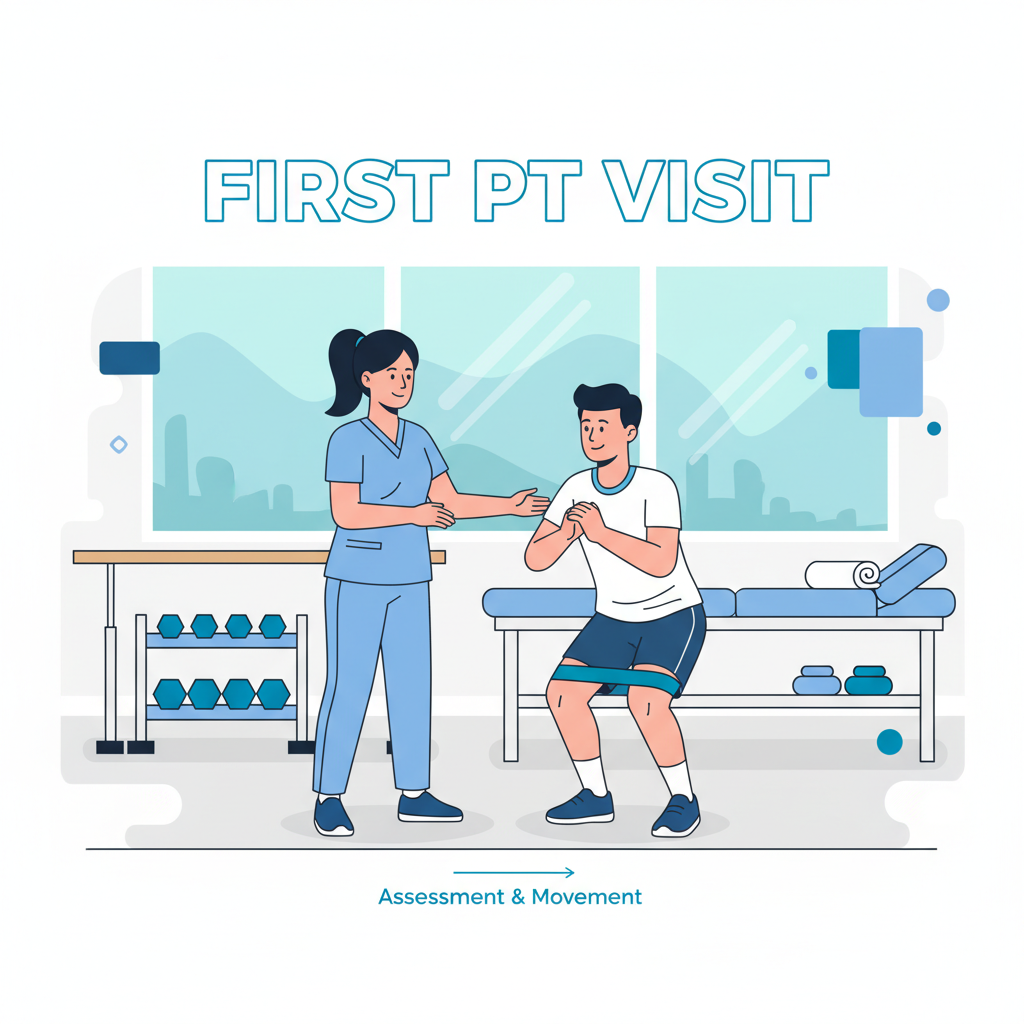
Have you been putting off physical therapy because you’re not quite sure what to expect? You’re not alone. According to the American Physical Therapy Association, millions of Americans could benefit from physical therapy each year, yet many delay treatment simply because the unknown feels intimidating1. But here’s the good news: your first physical therapy appointment is designed to be thorough, collaborative, and far less stressful than you might imagine. Whether you’re dealing with chronic lower back pain, recovering from surgery, or managing a new injury at our Woodbridge, NJ clinic, knowing what happens at physical therapy before you walk through the door can make all the difference.
In this post, we’ll walk you through every step of a typical physical therapy evaluation — from the paperwork to the physical assessment to your personalized treatment plan — so you can show up feeling confident and ready to start healing.
What Is a Physical Therapy Evaluation?
A physical therapy evaluation is a comprehensive assessment performed by a licensed physical therapist during your very first visit. Think of it as a deep dive into how your body moves, where your limitations are, and what’s causing your pain or dysfunction. Unlike a quick doctor’s appointment, your initial evaluation typically lasts between 45 and 60 minutes2, giving your therapist ample time to understand the full picture of your health.
This evaluation forms the foundation of your entire treatment plan. Your PT will use the findings to create a program tailored specifically to your needs — not a one-size-fits-all approach. At our physical therapy practice in Woodbridge, every evaluation is conducted one-on-one so you receive your therapist’s undivided attention from start to finish.
What Happens at Your First Physical Therapy Appointment
Here’s a step-by-step breakdown of your first physical therapy appointment and what to expect at each stage of the process.
Medical History and Goal Setting
Your visit will begin with a conversation. Your physical therapist will ask about:
Before your visit, it may also be helpful to understand whether insurance covers physical therapy in New Jersey so you can arrive prepared with the right questions about your coverage.
- Your current symptoms — location, severity, and when they started
- Past injuries, surgeries, or medical conditions you’ve been treated for
- Medications you’re currently taking
- Your daily activities, work demands, and hobbies
- What you hope to achieve through physical therapy
This isn’t just small talk. Every detail helps your PT understand patterns and potential contributing factors that may not be obvious at first glance. Be honest and specific — the more information you share, the more effective your treatment will be.
The Physical Assessment
Next comes the hands-on portion of your evaluation. Your therapist will assess several key areas to build a complete picture of your movement and function:
- Range of motion — how far your joints can move in each direction
- Strength testing — identifying weak muscles that may be contributing to your problem
- Flexibility — checking for tight muscles or connective tissue restrictions
- Posture and alignment — observing how you stand, sit, and carry yourself
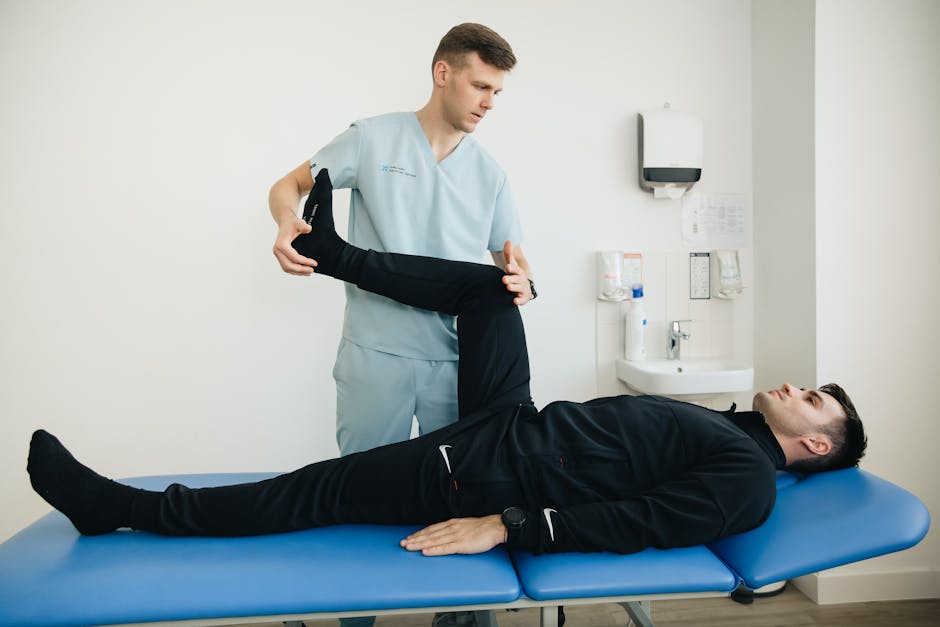
- Functional movement — watching you walk, squat, reach, or perform movements relevant to your daily life
- Special tests — specific clinical tests designed to help pinpoint the exact source of your symptoms
Don’t worry — your therapist will explain each test before performing it, and nothing should cause significant pain. If something does feel uncomfortable, speak up right away. This assessment is collaborative, not something done to you. Your feedback during these tests is just as valuable as the measurements themselves.
Your Personalized Treatment Plan
After gathering all of this information, your PT will sit down with you and explain their findings in plain, easy-to-understand language. They’ll discuss their clinical impression of what’s causing your symptoms, outline both short-term and long-term recovery goals, and recommend how often you should attend sessions — typically one to three times per week. They’ll also explain the types of treatments they plan to use, such as manual therapy, therapeutic exercises, or modalities like ultrasound and electrical stimulation, along with a home exercise program you can start right away.
Research published by the National Institutes of Health shows that patients who actively participate in creating their treatment plan tend to have better outcomes and faster recovery times3. So ask questions, share your concerns, and make sure you understand every part of the plan before you leave.
If you’re facing an upcoming surgery, you may also benefit from prehabilitation physical therapy, which can help prepare your body for a smoother post-surgical recovery.
What to Wear to Physical Therapy (and What to Bring)
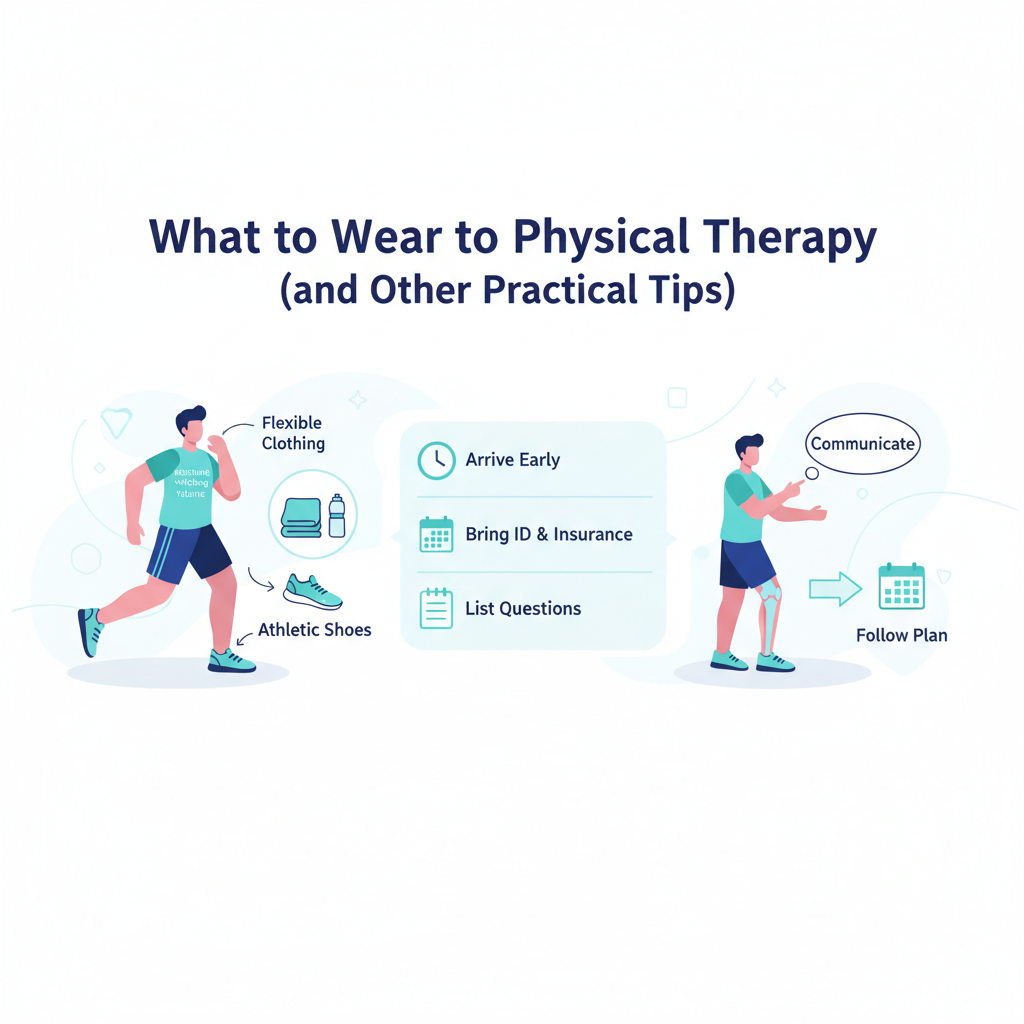
One of the most common questions people ask is what to wear to physical therapy. The answer is simple: dress for movement. You’ll be bending, stretching, and possibly lying on a treatment table, so comfort is key.
What to wear:
- Comfortable, loose-fitting clothing such as athletic wear, shorts, or a t-shirt
- Supportive sneakers or athletic shoes (avoid sandals, boots, or heels)
- If your issue involves your shoulder or knee, wear something that allows easy access to that area
What to bring:
- Your photo ID and insurance card
- A list of current medications
- Any imaging results (X-rays, MRIs) or physician notes you have on hand
- A referral from your doctor, if your insurance requires one
- Questions — write them down ahead of time so you don’t forget in the moment
“The best thing you can do before your first visit is come prepared and come curious. Your physical therapist is your partner in recovery — the more engaged you are, the faster you’ll see results.”
Initial Visit vs. Follow-Up Sessions
Many patients wonder how their first appointment compares to future sessions. Here’s a quick side-by-side look:
| Initial Evaluation | Follow-Up Sessions | |
|---|---|---|
| Duration | 45–60 minutes | 30–45 minutes |
| Focus | Assessment and diagnosis | Treatment and progression |
| Hands-On Work | Testing and measurement | Exercises and manual therapy |
| Paperwork | Medical history and consent forms | Brief progress check-in |
| Home Program | Introduced | Updated and advanced over time |
As you can see, follow-up sessions are more action-oriented. Your therapist will guide you through targeted exercises, provide hands-on treatment, and progressively adjust your program as you improve. Patients recovering from post-operative rehabilitation may follow a slightly different timeline, but the evaluation process remains the same foundation for care.
Tips to Get the Most Out of Your First Visit
- Arrive 10–15 minutes early to complete any remaining paperwork without feeling rushed.
- Be specific about your pain — rate it on a scale of 1 to 10, and note what activities make it better or worse.
- Ask questions freely — there are no silly questions when it comes to your health and recovery.
- Take notes on your home exercise program so you can follow it accurately between visits.
- Set realistic expectations — healing takes time, and your PT will help you set achievable milestones along the way.
Your first physical therapy appointment is the starting point of a process that can genuinely change how you feel and move every day. Whether you’re managing chronic knee pain, rehabbing after surgery, or simply ready to move without discomfort, that first evaluation sets the entire trajectory of your recovery.
Ready to Take the First Step?
Now that you know exactly what happens at physical therapy, there’s nothing standing between you and feeling better. Our team in Woodbridge, NJ is here to make your first physical therapy appointment as smooth and welcoming as possible. We’ll answer every question, address every concern, and build a recovery plan designed around your life and your goals. Getting started is the hardest part — and we’re here to make it easy.
References:
- American Physical Therapy Association. “Benefits of Physical Therapy.” www.apta.org
- Cleveland Clinic. “Physical Therapy: What It Is, Types and What to Expect.” my.clevelandclinic.org
- National Institutes of Health. “Patient Engagement in Physical Rehabilitation.” www.nih.gov
- Harvard Health Publishing. “Choosing Physical Therapy for Pain Management.” www.health.harvard.edu
Written by a Doctor of Physical Therapy (DPT). This content is for educational purposes and is not a substitute for professional medical advice, diagnosis, or treatment.