
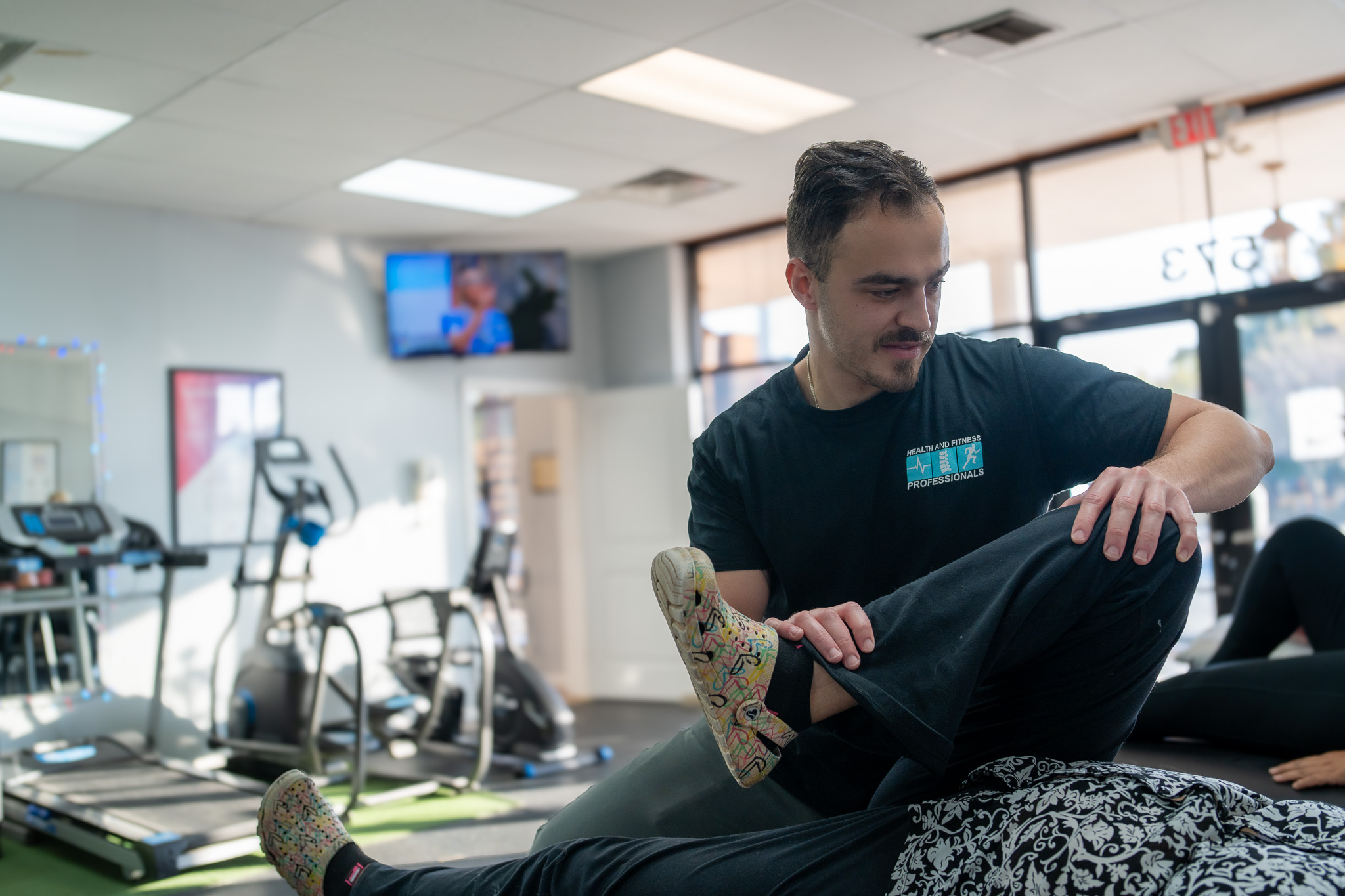
Have you ever wondered if there is something you could do before surgery to make the recovery process smoother and faster? If you have a procedure on the calendar, you are not alone in feeling anxious about what comes after. The good news is that prehabilitation physical therapy, often called “prehab,” is a proactive approach that may help you enter the operating room stronger and bounce back more quickly. At Health and Fitness Professionals in Woodbridge, NJ, our team works with patients to build strength, flexibility, and confidence before their surgical date arrives.
In this guide, we will walk you through what prehab is, how it works, the research supporting it, and what you can expect if you decide that preparing for surgery with PT is right for you.
What Is Prehabilitation?
Prehabilitation is a program of targeted exercises, education, and physical conditioning performed before a scheduled surgery. The goal is to optimize your body’s physical function so you are in the best possible shape heading into the procedure. Research published through the National Library of Medicine (PubMed) suggests that patients who participate in prehab programs often experience shorter hospital stays and improved post-operative outcomes compared to those who do not.
Key takeaway: pre-surgical physical therapy is not about pushing through pain. It is about building a foundation of strength and mobility that supports your body through the stress of surgery and the recovery that follows. Your physical therapist and surgeon should coordinate closely to design a plan that is safe and appropriate for your specific procedure.
How Does Prehab Before Surgery Work?
A prehab before surgery program typically begins several weeks before your scheduled procedure. Your physical therapist will perform an initial evaluation to assess your current range of motion, strength, balance, and functional abilities. From there, a customized plan is developed based on the type of surgery you are having and your individual baseline.
According to the Coastline Orthopedic Associates, patients preparing for joint replacement surgery may benefit from exercises that strengthen the muscles surrounding the affected joint. Common components of a prehab program include:
- Strengthening exercises targeting the muscles around the surgical site
- Flexibility and range of motion work to maintain or improve joint mobility
- Cardiovascular conditioning to improve overall endurance and stamina
- Balance training to reduce fall risk during the recovery period
- Patient education on what to expect after surgery, including safe movement patterns
It is important to note that any prehab program should be cleared by your surgeon before you begin. Your physical therapist and surgical team will work together to ensure the exercises are appropriate and will not interfere with your upcoming procedure. If you are curious about insurance coverage for these visits, you may want to explore whether your plan includes covered or not: does insurance cover physical therapy services.
Surgery on the calendar? Stop by our office in Woodbridge and begin your journey towards a healthy lifestyle!
What Are the Benefits of Prehabilitation Physical Therapy?
The benefits of prehabilitation physical therapy are supported by a growing body of research. A review published by the National Institutes of Health found that prehab programs were associated with reduced pain levels, shorter hospital stays, and faster return to daily activities following surgery. At Health and Fitness Professionals, we recommend discussing prehab options with your surgeon as early as possible once a procedure is scheduled.
Some of the most commonly reported benefits include:
| Benefit | How Prehab May Help |
|---|---|
| Faster recovery timeline | Stronger muscles and better conditioning may allow patients to progress through post-operative milestones sooner |
| Reduced post-surgical pain | Improved baseline strength and flexibility may contribute to lower pain levels after the procedure |
| Shorter hospital stays | Research suggests prehab patients often meet discharge criteria earlier |
| Lower complication risk | Better physical preparedness may reduce the risk of complications such as blood clots or infections |
| Improved confidence | Understanding what to expect and feeling physically prepared may reduce pre-surgery anxiety |
“Patients who are stronger going into surgery tend to be stronger coming out of it. Prehab helps set the stage for a smoother recovery.”

Which Surgeries Benefit from Pre-Surgical Physical Therapy?
While pre-surgical physical therapy can be considered before many types of procedures, research most strongly supports prehab for orthopedic and certain abdominal surgeries. According to the Cleveland Clinic, prehabilitation may be especially valuable before the following types of surgery:
- Total knee replacement: Strengthening the quadriceps and hamstrings before surgery may improve post-operative function. Many patients in the Woodbridge area seek help for knee pain well before considering surgery.
- Total hip replacement: Prehab focusing on hip and core stability may help patients regain mobility faster after the procedure.
- Shoulder surgery: Rotator cuff repairs and other shoulder pain procedures often respond well to pre-operative conditioning of the surrounding musculature.
- Spinal surgery: Core strengthening and flexibility work may support better outcomes for patients dealing with lower back pain who require surgical intervention.
- Cardiac and abdominal surgeries: Cardiovascular conditioning and breathing exercises may help patients tolerate these procedures and recover more effectively.
Always consult with your surgeon and physical therapist to determine whether prehab is appropriate for your specific situation. Not every surgery requires or benefits equally from a prehab program, and your medical team can help guide that decision.
For older adults preparing for surgery, prehabilitation can be especially valuable — and combining it with fall prevention strategies may help build the strength and balance needed for a safer recovery.
What Should You Expect During a Prehab Program?
If you and your surgeon decide that preparing for surgery with PT is right for you, your first step will be an evaluation with a licensed physical therapist. During this visit, your therapist will review your surgical plan, assess your current physical condition, and set measurable goals for the weeks ahead. If you have never been to a physical therapy appointment before, you can walk in prepared: what to expect so you feel comfortable from day one.
A typical prehab program may last anywhere from four to eight weeks, depending on your surgery date and current fitness level. Sessions often occur two to three times per week and may include a combination of in-clinic exercises and a home exercise program. Your therapist will progressively adjust the intensity based on your progress.
Many patients find that prehab also helps them mentally prepare for surgery. Understanding the recovery process, knowing which exercises you will perform afterward, and feeling physically capable can make a significant difference in your mindset. After your procedure, your care will transition into post operative therapy, and the foundation you built during prehab may allow you to progress through that phase more efficiently.
Ready to Prepare for Surgery the Right Way?
If you have a surgery scheduled and want to give yourself the best possible chance at a smooth recovery, prehabilitation physical therapy may be the right step for you. Our team at Health and Fitness Professionals in Woodbridge, NJ works closely with surgeons throughout the area, including patients from nearby Avenel, Colonia, and Iselin, to design safe and effective prehab programs tailored to your needs. Talk to your surgeon about prehab, then schedule a pre-surgical PT evaluation with our team.
Stop by our office in Woodbridge and begin your journey towards a healthy lifestyle!
Sources
- National Library of Medicine (PubMed) – Prehabilitation research and systematic reviews
- Mayo Clinic – Knee replacement preparation and prehabilitation guidance
- National Institutes of Health (NIH) – Prehabilitation outcomes and hospital stay reduction
- Cleveland Clinic – Prehabilitation overview and surgical applications
Frequently Asked Questions
What is prehabilitation physical therapy?
Prehabilitation physical therapy is a program of targeted exercises, education, and physical conditioning performed before a scheduled surgery. The goal is to optimize your strength, flexibility, and overall function so your body is better prepared to handle the stress of the procedure and recover more efficiently afterward.
How far in advance should I start prehab before surgery?
Most prehab programs begin several weeks before your scheduled procedure, though the exact timeline depends on your surgery type and current fitness level. Starting early gives your body enough time to build meaningful strength and mobility gains. Your physical therapist and surgeon can recommend the ideal start date for your situation.
What exercises are included in a prehabilitation program?
Prehabilitation programs typically include strengthening exercises, range-of-motion work, balance training, and cardiovascular conditioning tailored to your upcoming procedure. Your physical therapist designs a customized plan based on your initial evaluation. The exercises focus on the muscle groups and movement patterns most relevant to your surgery and recovery.
Does prehab actually improve surgical recovery outcomes?
Research published through the National Library of Medicine suggests that patients who participate in prehab programs may experience shorter hospital stays and improved post-operative outcomes. Studies indicate benefits including reduced pain, faster return to daily activities, and better overall function after surgery. Talk to your doctor about whether prehab is appropriate for you.
Who is a good candidate for prehabilitation before surgery?
Prehabilitation may benefit most patients with a scheduled surgery, particularly those undergoing joint replacement, cardiac procedures, or abdominal operations. Patients with lower baseline fitness levels often see the greatest improvements. Your surgeon and physical therapist can evaluate your health and determine whether a prehab program is safe and beneficial for your specific case.
Do I need a referral for physical therapy in NJ?
New Jersey allows direct access to physical therapy, meaning you may begin treatment without a physician referral for an initial evaluation period. However, for prehabilitation specifically, coordination between your physical therapist and surgeon is recommended to ensure your exercise program aligns safely with your upcoming procedure and surgical plan.
How is prehabilitation different from regular physical therapy?
Prehabilitation takes place before surgery to prepare your body, while traditional rehabilitation occurs after surgery to restore function. Prehab focuses on building a foundation of strength and mobility in advance so you may enter the operating room in better condition. This proactive approach can complement your post-surgical rehab and support a smoother overall recovery.